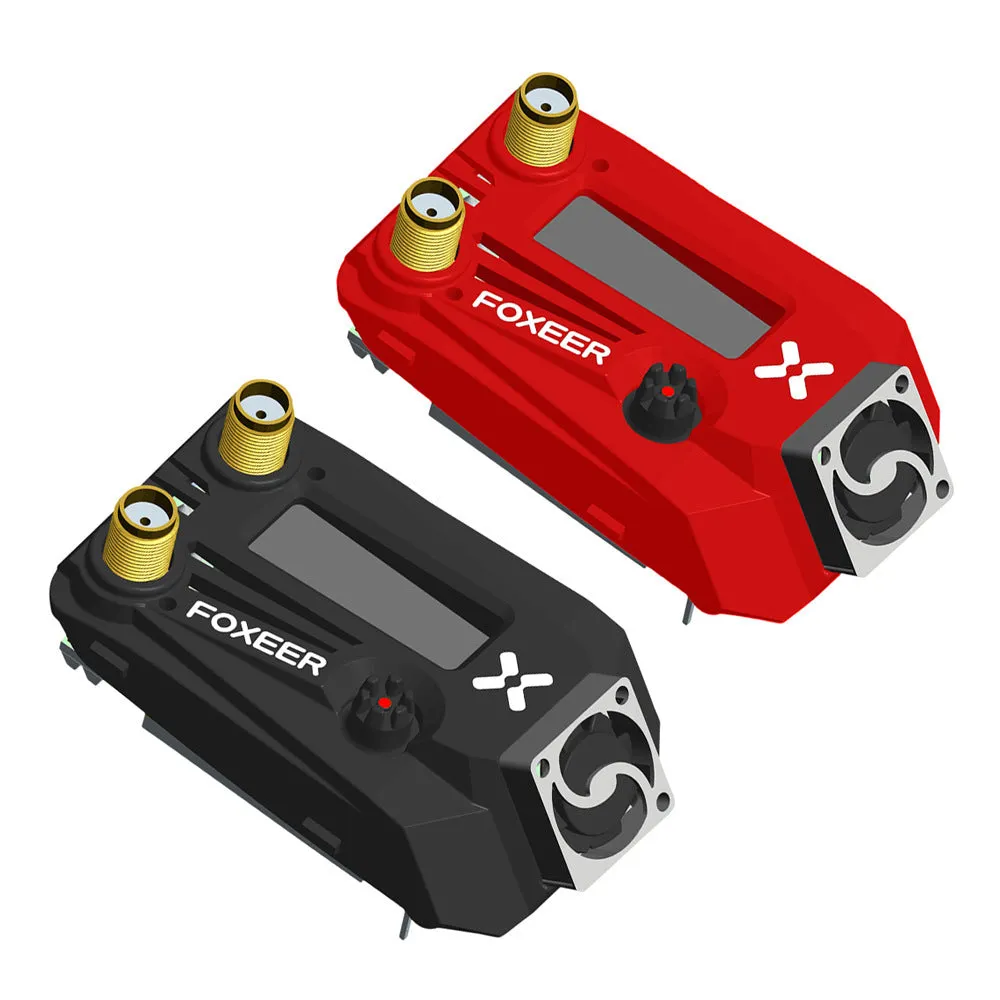
FPV video goggles with dual receiver, the Wildfire Glasses are compatible with Fatshark and Flying Shark models, featuring a lightweight 58g build for extended drone racing and freestyle flying sessions, supplied in a black finish.


FPV video goggles with dual receiver, the Wildfire Glasses are compatible with Fatshark and Flying Shark models, featuring a lightweight 58g build for extended drone racing and freestyle flying sessions, supplied in a black finish.
Wildfire FPV Goggles: Dual Receiver Video Glasses with 58g Lightweight Build
The Wildfire Glasses are a set of FPV (First Person View) video goggles engineered for drone pilots seeking reliable signal reception and comfortable wear. Their defining feature is a dual-receiver system, which provides pilots with more options for channel selection and can contribute to a more stable video feed in varied flying environments. Designed for compatibility with popular Fatshark and Flying Shark ecosystems, these goggles are positioned as a functional accessory for both competitive racing and recreational freestyle flying. The focus on a lightweight 58g construction directly addresses a common concern among FPV enthusiasts: head and neck strain during extended flight sessions, aiming to offer a more comfortable piloting experience.
Features and Construction

This product's specifications highlight several key design choices aimed at practical use in the FPV field. The core features revolve around connectivity, user comfort, and system integration.
Material and Build
The construction prioritises a low physical weight, specified at 58 grams. This weight indicates the use of lightweight plastics and composites in the frame and housing, a common approach to reduce the load on the wearer's head and face. The glasses are finished in black, providing a neutral aesthetic. The power supply is handled by an integrated battery, removing the need for a direct power cable during use and increasing pilot mobility.
Size and Practical Fit
The primary dimensional data provided is the 58g weight, which is a direct indicator of the product's overall size and portability—lighter goggles are generally more compact and less bulky. The product is specified as suitable for a youth age range of 15 to 35 years old, which guides expectations for headband size, facial interface dimensions, and overall ergonomics tailored to this demographic.
Uses and Placement

The Wildfire Glasses are built for the specific, technical hobby of drone piloting via FPV. Their application is centred on providing the pilot's visual perspective directly from the drone's camera.
Event or Professional Use
In organised drone racing events or professional filming scenarios, clear and uninterrupted video feed is critical. The dual-receiver setup in these goggles can be advantageous, offering a backup signal path or the ability to switch between frequencies to avoid interference from other pilots, which is a common challenge at busy flying sites.
Everyday Home Use
For hobbyists flying in local parks or designated areas, these goggles offer the core FPV experience. The battery-powered operation provides convenience for quick setup, while the compatibility with Fatshark and Flying Shark systems means they can integrate into an existing pilot's gear without requiring a full equipment overhaul.
Benefits and Buying Value
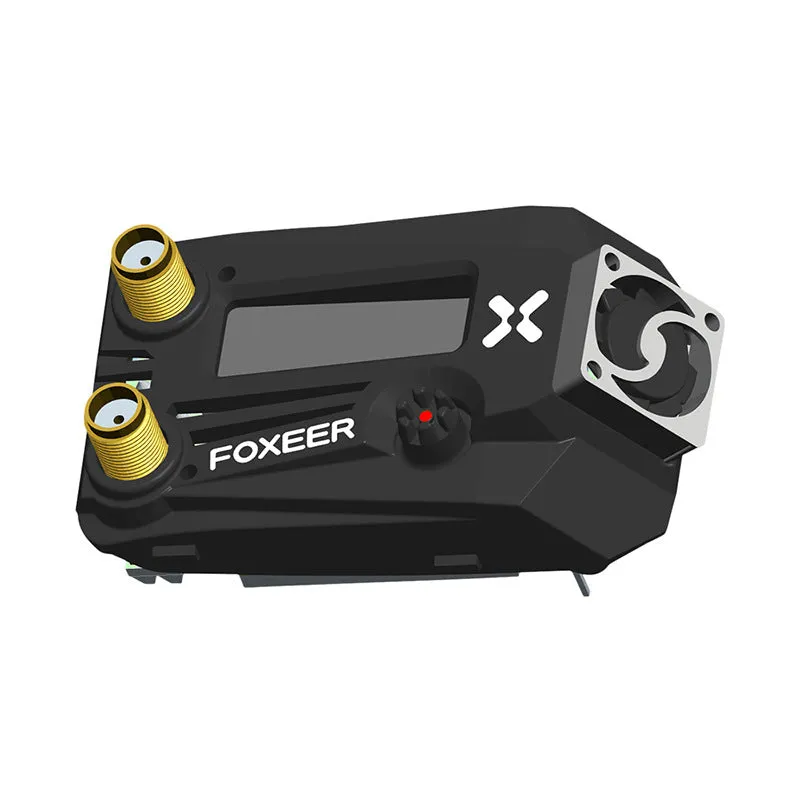
The value proposition of the Wildfire Glasses is built on specific, stated features rather than inferred performance. They offer a combination of technical function and user comfort derived from their specifications.
Reuse and Low Maintenance
As a digital electronic device, its longevity depends on the care of its internal components, particularly the rechargeable battery. Following general battery care guidelines—avoiding complete discharge and storing in a cool, dry place—can help maintain its operational life. The durable plastic construction common to such products requires only basic cleaning with a dry, soft cloth.
Why Choose This Product
A pilot might select these goggles for their specific combination of a dual-receiver system and a focus on lightweight design. For users who already own Fatshark or Flying Shark equipment and are looking for a secondary headset or an upgrade focused on comfort and signal diversity, this product presents a targeted option. It addresses the concrete needs of improved signal management and reduced physical strain during flight.