Ceramic brightness stone glossiness tester portable gloss meter with single angle 60° or three-angle 20°60°85° measurement for surface finish quality control CS300 CS300S CS380 models


Ceramic brightness stone glossiness tester portable gloss meter with single angle 60° or three-angle 20°60°85° measurement for surface finish quality control CS300 CS300S CS380 models
Ceramic brightness stone portable glossiness tester with single-angle or three-angle measurement for surface finish quality control
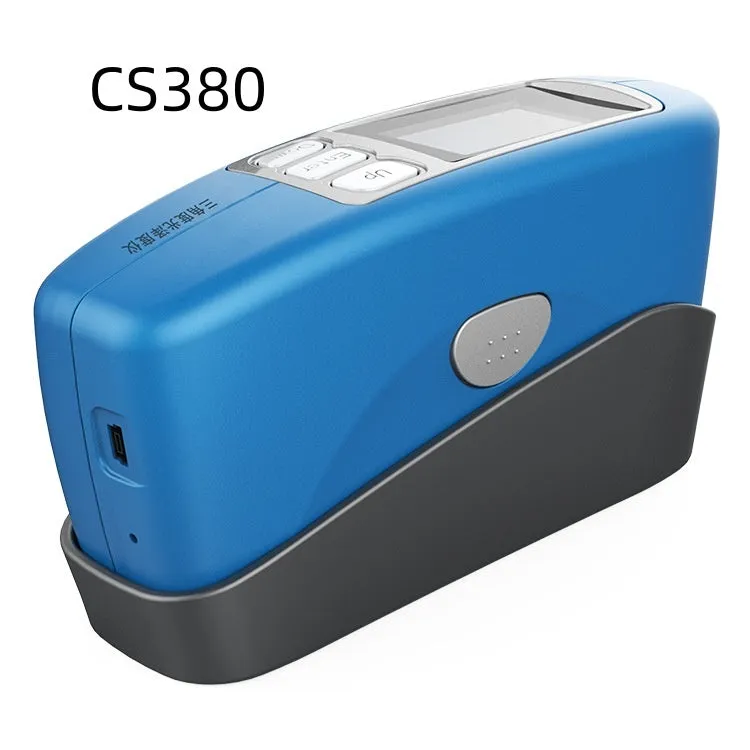
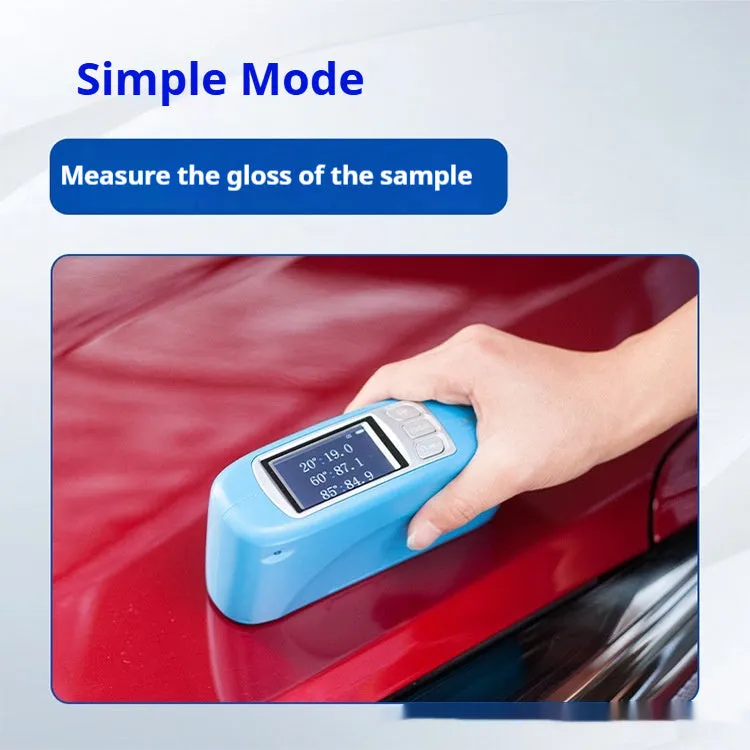
This portable gloss meter provides a practical solution for quality control professionals, manufacturers, and inspectors who need to verify surface finish quality outside laboratory environments. The device measures gloss levels using standardised measurement angles, allowing comparison against industry specifications and internal quality standards. With configurations ranging from basic single-angle measurement to comprehensive three-angle analysis, this gloss tester addresses different levels of finish characterisation requirements across materials including ceramics, stone, paints, plastics, and various coated surfaces where appearance directly affects product acceptance and customer satisfaction.
Features and Construction

The gloss meter range includes three distinct models designed for different measurement precision requirements and application scenarios. Each configuration maintains portability while offering specific capabilities that match particular industry measurement protocols and material characteristics.
Model Specifications and Measurement Angles
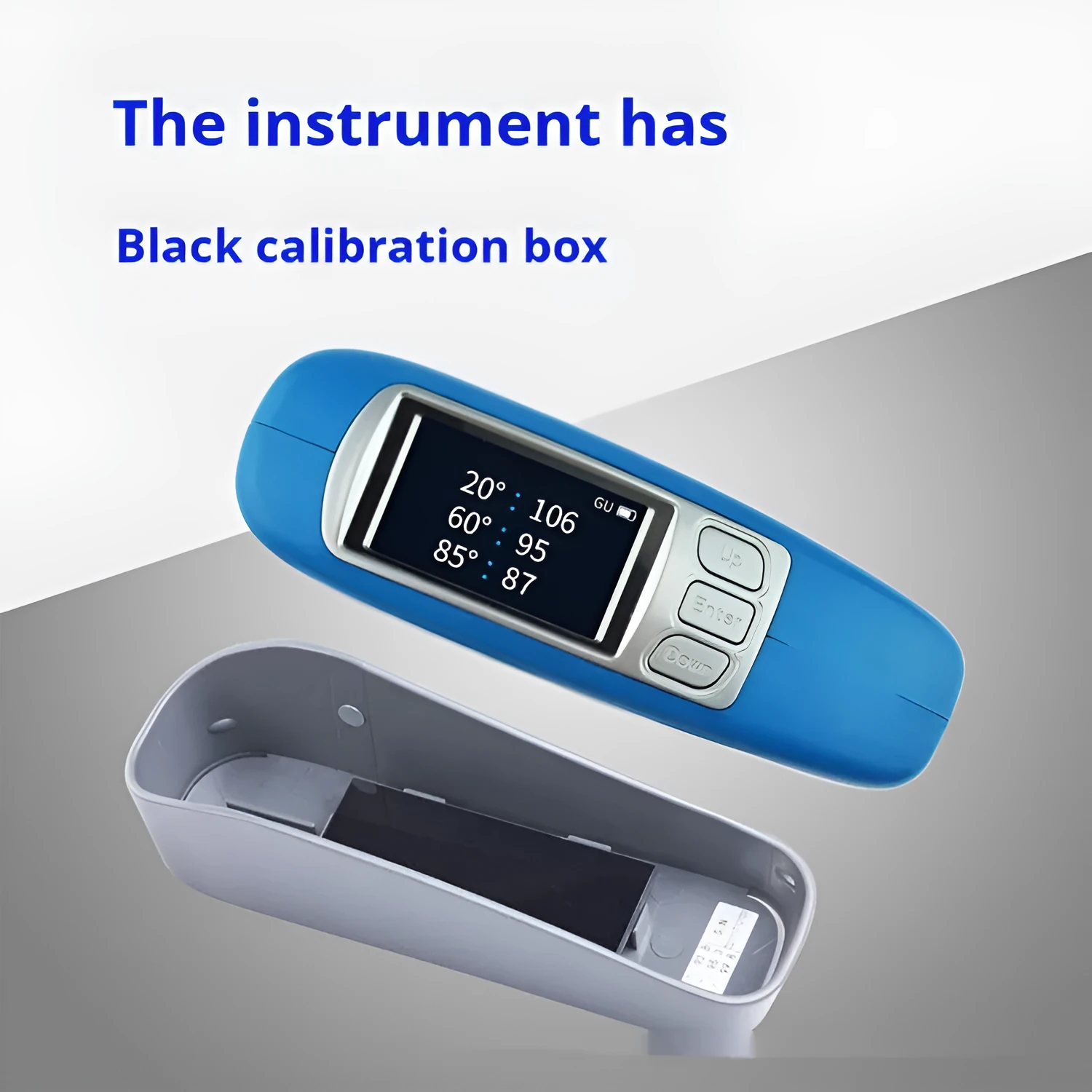
The CS-300 and CS-300S models both utilise a single 60° measurement angle, which represents the standard configuration for general-purpose gloss measurement across most materials. This angle provides reliable data for quality control comparisons and specification verification. The CS-380 model expands measurement capability with three measurement angles at 20°, 60°, and 85°, enabling detailed characterisation of surface finishes that may appear different under various viewing conditions. This three-angle approach captures more comprehensive data about how light interacts with different surface textures and finishes.
Specialised Measurement Capabilities
The CS-300S model includes a specific microporous 23mm measurement capability designed for specialised applications requiring measurement on textured or porous surfaces. This feature addresses materials where standard gloss measurement may not capture the true visual appearance due to surface irregularities. The portable design of all models enables movement between different measurement locations without requiring stationary installation or complex setup procedures, supporting efficient workflow in manufacturing environments, quality inspection stations, and on-site verification scenarios.
Uses and Placement

This gloss meter serves practical needs in both professional quality control environments and manufacturing settings where surface finish represents a critical product characteristic. The portable nature allows placement wherever verification is needed, reducing reliance on fixed laboratory equipment and supporting more responsive quality management processes.
Professional Quality Control Applications
In professional settings, the gloss meter provides objective measurement data for ceramics manufacturing, where glaze consistency affects both appearance and product value. Stone surface finishes require verification against architectural specifications, particularly in commercial construction and interior design applications. Paint and coating manufacturers use gloss measurement to ensure batch consistency and compliance with customer requirements across automotive, industrial, and decorative finishes where visual appearance directly influences perceived quality.
Manufacturing and Production Verification
Within manufacturing environments, the portable design supports inline quality checks without interrupting production flow. Plastic component manufacturers verify mould finish consistency, while furniture producers monitor lacquer and varnish application quality. The device enables quick verification of incoming materials against specification requirements, reducing the risk of quality issues progressing through production stages. Maintenance teams use gloss measurement to verify repair work matches original finishes in restoration and refurbishment projects across various industries.
Benefits and Buying Value

The gloss meter offers practical advantages through standardised measurement, configuration flexibility, and reduced reliance on subjective visual assessment. These benefits support informed purchasing decisions based on specific application requirements and measurement precision needs.
Standardisation and Consistency Benefits
Using standardised measurement angles creates consistency across different measurement occasions and between different operators. The 60° angle follows common industry protocols, ensuring data comparability with other measurement systems and historical records. Three-angle measurement provides more comprehensive data about how finishes appear under different lighting conditions, reducing the risk of accepting or rejecting materials based on limited viewing angles. This measurement consistency supports better decision-making and reduces disputes over subjective visual assessment.
Configuration Selection Guidance
The CS-300 model suits general-purpose gloss measurement where standard 60° data meets quality control requirements. The CS-300S adds microporous measurement capability for textured surfaces where standard measurement may not capture true appearance. The CS-380's three-angle measurement provides detailed finish characterisation for applications where appearance varies significantly with viewing angle. Selecting between these configurations depends on material characteristics, industry requirements, and the level of finish detail needed for quality decisions.