
Automobile crankshaft position sensor 12560228 213-354 for Buick and Chevrolet vehicles, a 15x12x5cm powertrain control component designed to monitor engine crankshaft position and help regulate engine timing and performance.


Automobile crankshaft position sensor 12560228 213-354 for Buick and Chevrolet vehicles, a 15x12x5cm powertrain control component designed to monitor engine crankshaft position and help regulate engine timing and performance.
Crankshaft Position Sensor 12560228 213-354 for Buick and Chevrolet Engine Management

This crankshaft position sensor is a critical component for the engine management system in compatible Buick and Chevrolet vehicles. Identified by the original equipment numbers 12560228 and 213-354, it is engineered as a direct replacement part. Its primary role is to monitor the rotational speed and position of the engine's crankshaft, sending this essential data to the powertrain control module (PCM). Accurate data from this sensor allows the PCM to correctly synchronise fuel injection and ignition timing, which is fundamental for smooth engine operation, efficient combustion, and reliable starting. A malfunctioning sensor can lead to driveability issues, making this a key part for maintenance and repair.
Features and Construction

This sensor is designed to meet the specific electrical and physical parameters of the vehicle models it serves. Its construction prioritises a reliable connection and signal transmission to the vehicle's onboard computer systems.
Material and Build
While the specific composite materials of the housing and internal components are not enumerated in the source details, the sensor is built to automotive OEM standards. This implies robustness to withstand typical engine bay environments, including exposure to heat, vibration, and potential contaminants. The electrical connector is designed to match the vehicle's factory wiring harness for a secure, weather-resistant connection.
Size and Practical Fit
The sensor's compact form factor, measuring 15cm long by 12cm wide by 5cm high, is a decisive practical feature. This defined size ensures it fits correctly into the allocated space on the engine block or timing cover of the applicable vehicles. Correct physical dimensions prevent installation issues and guarantee the sensor's reluctor wheel or tone ring is at the proper sensing distance, which is crucial for generating an accurate signal.
Uses and Placement
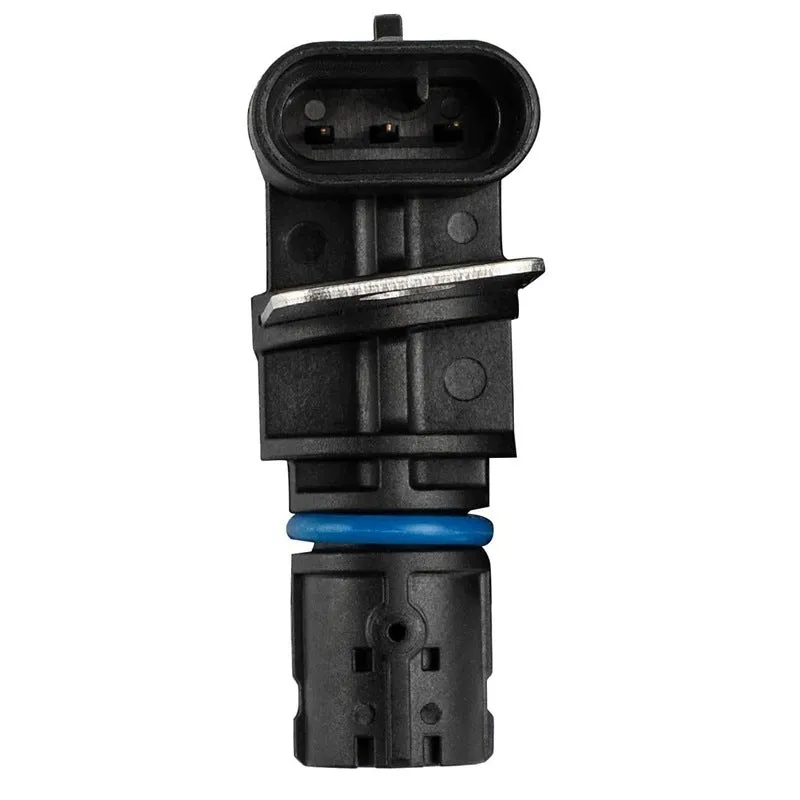
This component has a singular, specialised purpose within the vehicle's engine system. Its correct operation is integral to several key vehicle functions and overall performance.
Event or Professional Use
For professional mechanics and technicians, this sensor is a standard repair item. It is used to address customer complaints related to hard starting, engine stalling, poor acceleration, or an illuminated check engine light with codes often pertaining to crankshaft position 'A' circuit issues. Its OE specification ensures it integrates seamlessly with the vehicle's existing diagnostic and control systems during and after installation.
Everyday Home Use
For the vehicle owner, this sensor represents a solution to restore predictable and dependable daily driving. A functioning crankshaft position sensor helps maintain optimal fuel economy, consistent power delivery, and reliable cold starts. Replacing a failing unit can resolve intermittent problems that are frustrating and potentially leave a driver stranded, thereby supporting the vehicle's everyday utility and dependability.
Benefits and Buying Value

Choosing this specific part offers distinct advantages centred on compatibility, function, and direct application.
Reuse and Low Maintenance
As an electrical sensor, it is not a serviceable or reusable item in the traditional sense. Its value lies in being a complete, ready-to-install unit. Once installed correctly, it requires no maintenance and is designed to function reliably for an extended service life, contributing to lower long-term upkeep by resolving a specific fault.
Why Choose This Product
The primary reason to select this sensor is its verified OE reference (12560228 213-354), which translates to a guaranteed fit and correct operation for the intended Buick and Chevrolet applications. This eliminates guesswork and the risk of purchasing an incompatible part. The provided dimensions confirm its physical suitability, and its defined role in powertrain control addresses a clear technical need for engine management, making it a purposeful and targeted purchase for the required repair.
