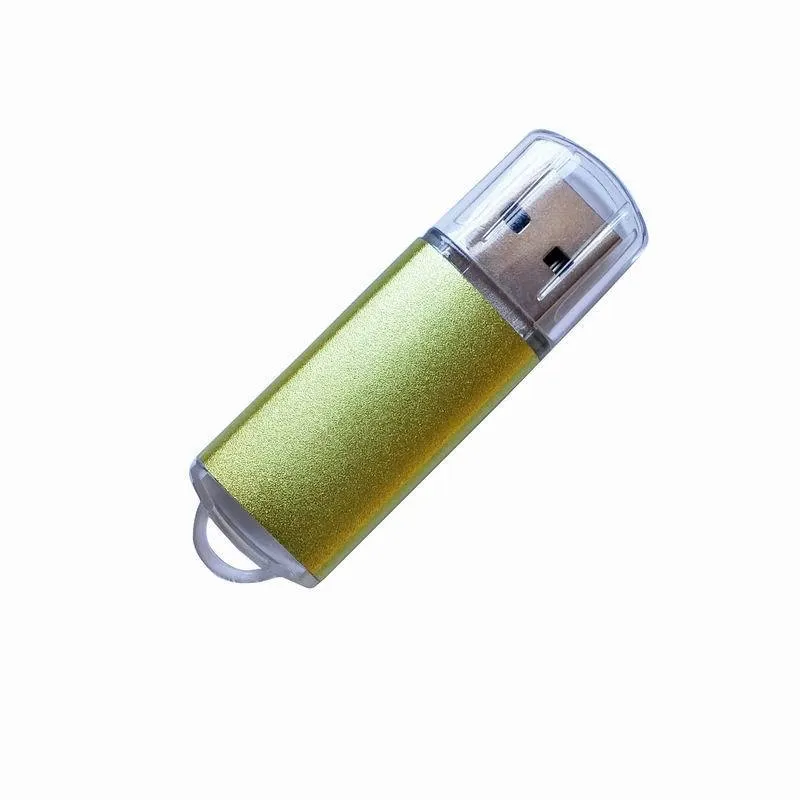
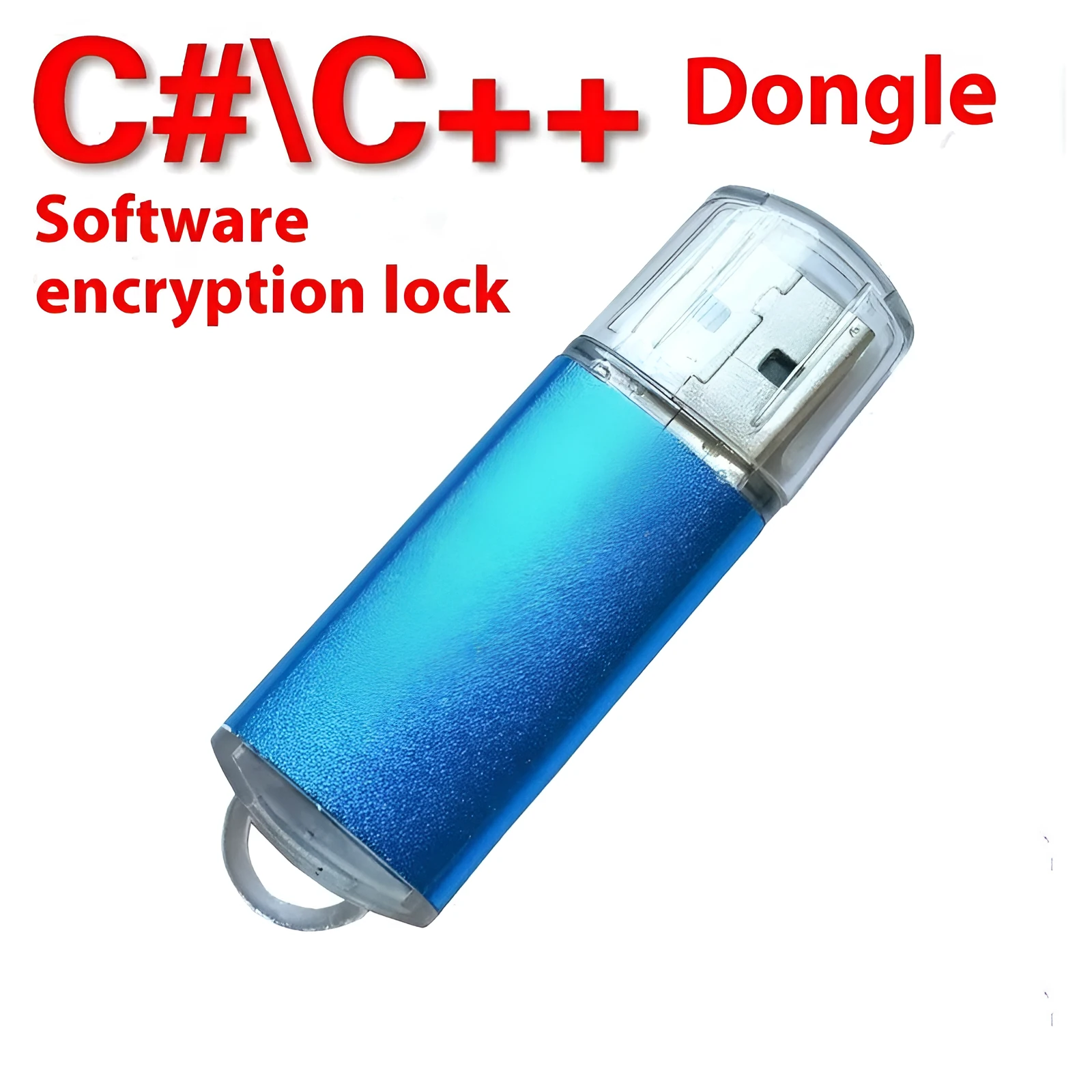
USB Software Encryption Lock Dongle USBKey Secondary Development Empty Software Dog Blank Security Dongle USB 2.0 Interface Metal Shell 50mm Length 7.2mm Thickness 2M Capacity Available in Black Blue Gold Green Purple Red Rose Red


USB Software Encryption Lock Dongle USBKey Secondary Development Empty Software Dog Blank Security Dongle USB 2.0 Interface Metal Shell 50mm Length 7.2mm Thickness 2M Capacity Available in Black Blue Gold Green Purple Red Rose Red
USB Software Encryption Lock Dongle: A Blank Hardware Key for Secondary Development

This product is a USB software encryption lock dongle, commonly referred to as a USBKey or software dog. It is supplied as an empty, programmable security device intended for secondary development by software vendors or developers. Its core purpose is to act as a hardware-based copy protection and licensing mechanism, where authorised software will check for the presence and valid data of this specific dongle before allowing full functionality. The dongle itself does not contain pre-programmed protection logic; it is a blank canvas requiring a developer to implement their chosen security protocol, encryption scheme, and licence data storage. This makes it a flexible foundational component for building a custom software protection system, moving the complexity of hardware interfacing away from the developer and allowing them to focus on their application-specific security layer.
Features and Construction
This encryption dongle is designed with practical connectivity and durability in mind, providing a reliable hardware platform for software protection. Its construction focuses on standardised interfaces and robust materials to ensure it can withstand typical handling while performing its security function.
Material and Build
The external casing of this dongle is constructed from metal, forming a solid shell that houses the internal circuitry. This metal build offers a degree of physical protection against casual impacts and helps shield the electronic components. The use of a metal shell is a common choice for security dongles as it contributes to a perception of durability and can make physical tampering more difficult compared to plastic casings. The product is offered through an OEM (Original Equipment Manufacturer) processing method, indicating it is produced for rebranding or integration into larger solutions by other companies.
Size and Practical Fit
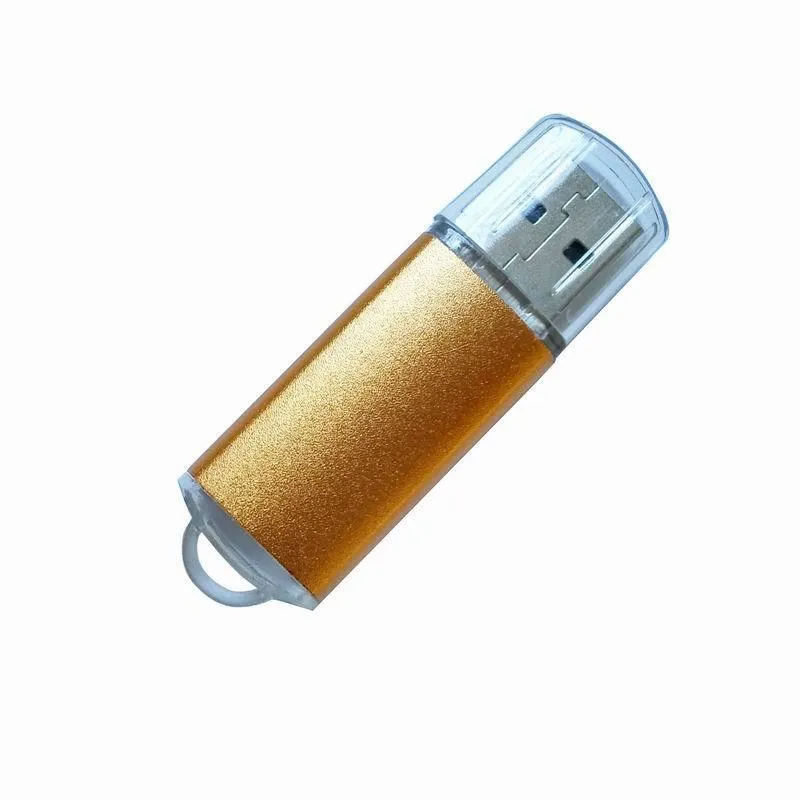
The dongle features a compact and streamlined form factor, measuring 50mm in length, 17.5mm in width, and 7.2mm in thickness. These dimensions result in a low-profile device that protrudes only modestly from a computer's USB port, reducing the risk of being accidentally knocked or snagged during use. The slim 7.2mm profile is designed to fit comfortably alongside other USB devices in adjacent ports without causing obstruction. This practical size makes it suitable for both desktop workstations and laptops where port space can be limited.
Uses and Placement

As a development-stage component, this dongle's use is defined by the software protection system it will become part of once programmed. Its placement is inherently tied to the computer running the software it protects, serving as a physical key that must be present for the software to operate fully.
Event or Professional Use
In professional and commercial software deployment, this type of dongle is utilised to secure high-value applications across various fields such as engineering design software, medical imaging systems, financial modelling tools, and professional audio/video editing suites. At trade shows, demonstrations, or temporary installations, the dongle allows licensed software to run on any capable machine simply by being plugged in, providing a portable licence. For developers, it serves as a test and development platform for implementing and refining copy protection algorithms before mass production of locked software versions.
Everyday Home Use
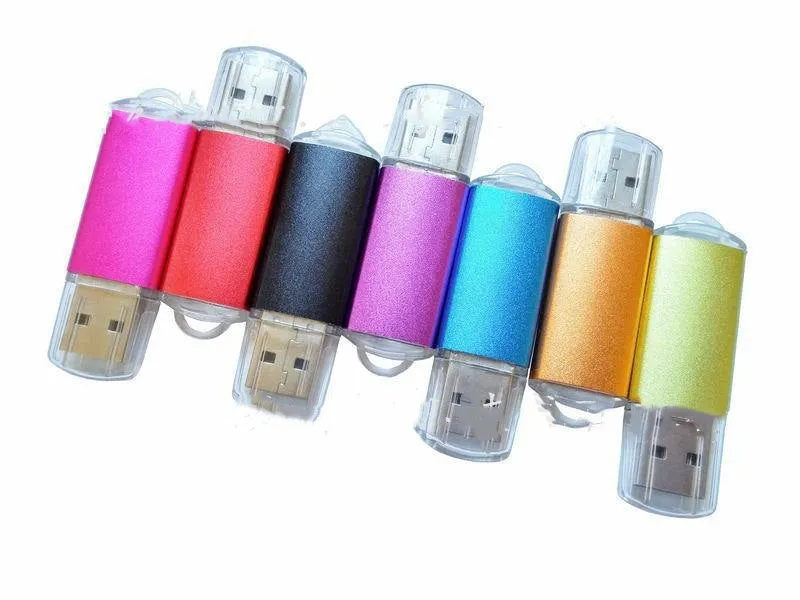
For end-users, the dongle's everyday function is straightforward: it must remain connected to the computer whenever the protected software is in use. In a home office or studio setting, this means the dongle typically occupies one USB port on a desktop computer or laptop. Users must take care not to lose the dongle, as it is essentially the physical manifestation of their software licence. The availability of multiple colours (Black, Blue, Gold, Green, Purple, Red, Rose Red) allows for simple visual identification if multiple dongles for different software packages are in use, or for colour-coding within a business environment.
Benefits and Buying Value
The value of this blank dongle lies in its role as a standardised, reusable hardware component for software security. It shifts the development effort from custom electronics to software, offering a practical foundation for implementing robust copy protection.
Reuse and Low Maintenance
Once the development and programming process is complete for a specific software title, the same dongle model can be reliably reproduced and distributed to all end-users. The hardware itself requires virtually no maintenance; there is no battery to replace, no software to update on the dongle, and no moving parts to wear out. Its operation is passive—it sits in the USB port, responds to queries from the host software, and provides stored data. The metal shell contributes to this low-maintenance profile by offering better resistance to wear and tear over repeated insertions and removals compared to plastic.
Why Choose This Product
This product is chosen primarily by developers and businesses needing a blank, programmable hardware element for their software protection strategy. The key decision factors are its standard USB 2.0 interface for universal compatibility, the physical robustness suggested by the metal shell, and the specified 2M capacity for storing licence data and encryption keys. The 2M capacity provides a substantial amount of space for complex licence information, multiple software feature flags, or cryptographic material. Choosing a blank dongle over a pre-programmed solution offers maximum flexibility, allowing the developer to implement a protection scheme perfectly tailored to their application's specific needs and threat model.