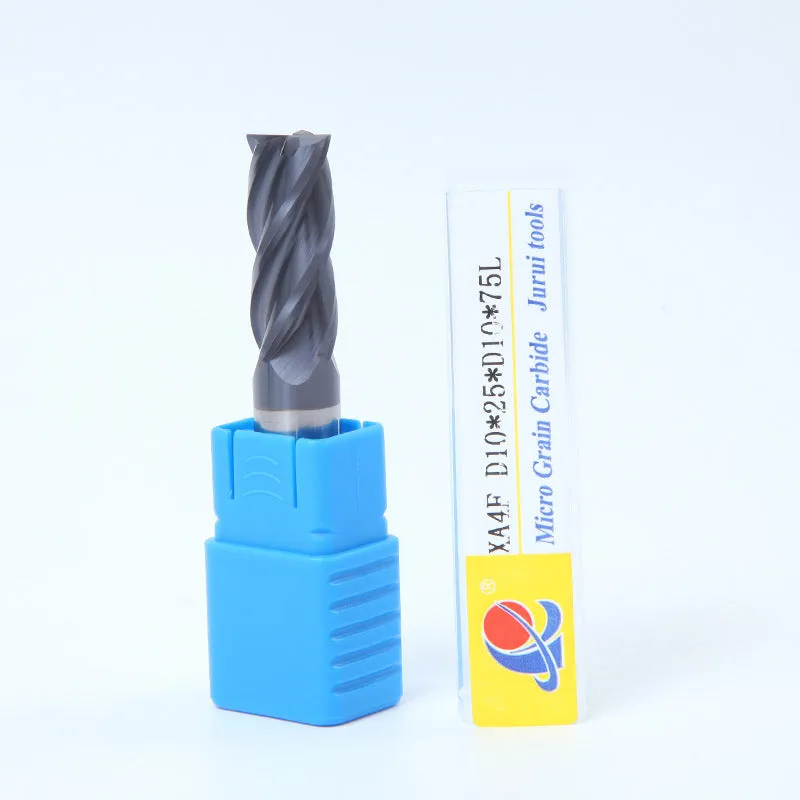
Carbide milling cutter spiral edge hard alloy tool straight shank D1 to D20mm blade diameter 3 to 70mm cutting length 50 to 150mm full length 4-slot design for precision metalworking and milling operations


Carbide milling cutter spiral edge hard alloy tool straight shank D1 to D20mm blade diameter 3 to 70mm cutting length 50 to 150mm full length 4-slot design for precision metalworking and milling operations
Carbide Milling Cutter with Spiral Edge and Hard Alloy Construction for Metalworking
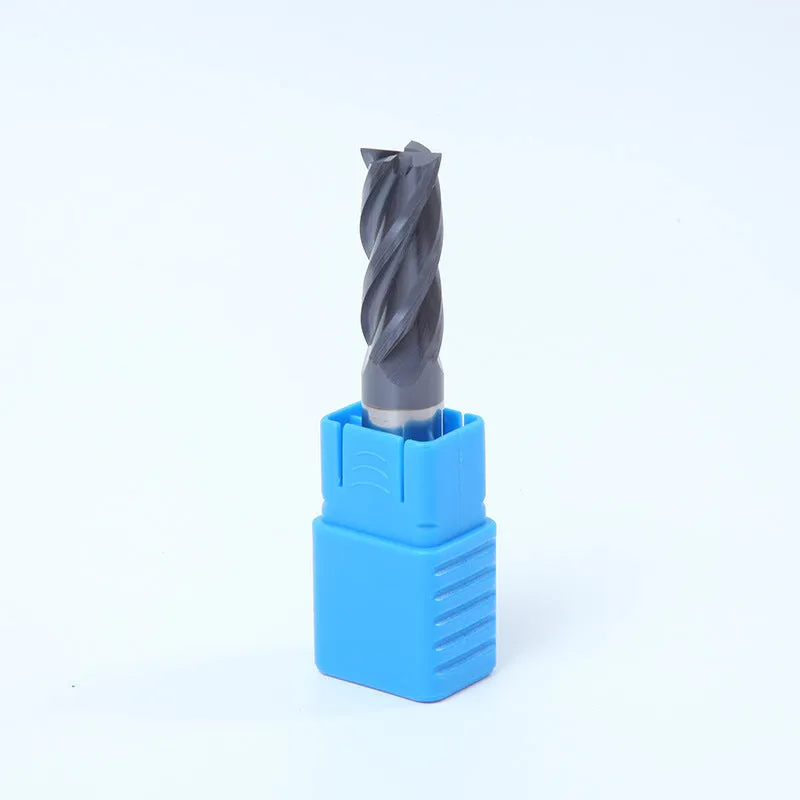
This carbide milling cutter is a tool designed for milling operations in metalworking environments. It is made from hard alloy, a material selected for its properties in cutting applications. The cutter features a spiral cutting edge, which aids in chip removal during use, and a straight shank for mounting in standard tool holders. Available in a range of sizes, it provides options for different machining tasks, with blade diameters starting at D1 mm and going up to D20 mm, and cutting lengths from 3 mm to 70 mm. The full length of the tool varies between 50 mm and 150 mm.
Features and Construction
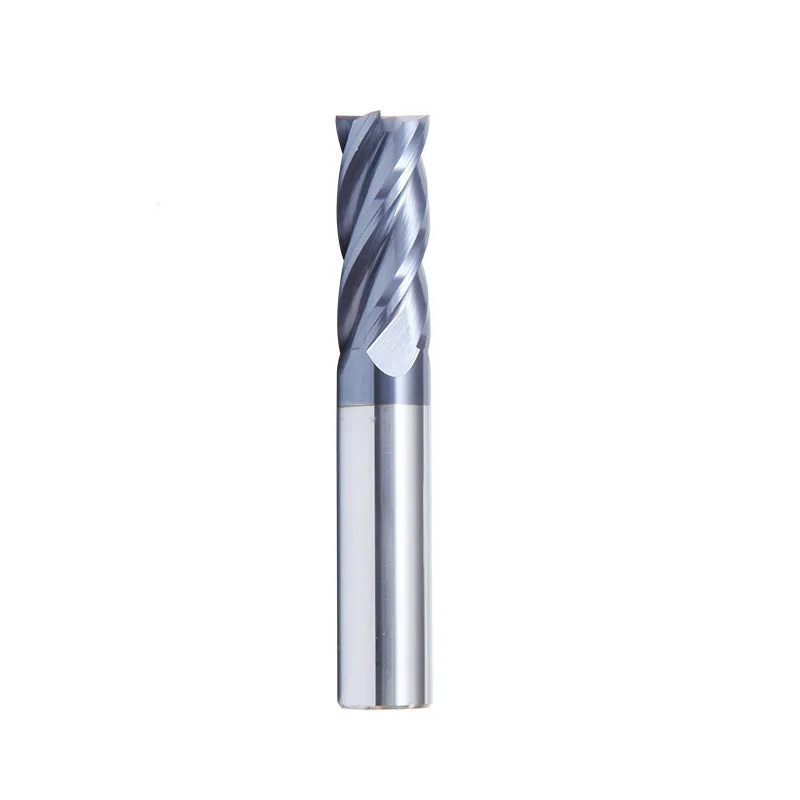
The milling cutter's design includes several key features based on its intended use in machining. Its construction and specifications are detailed to help users select the appropriate model.
Material and Build
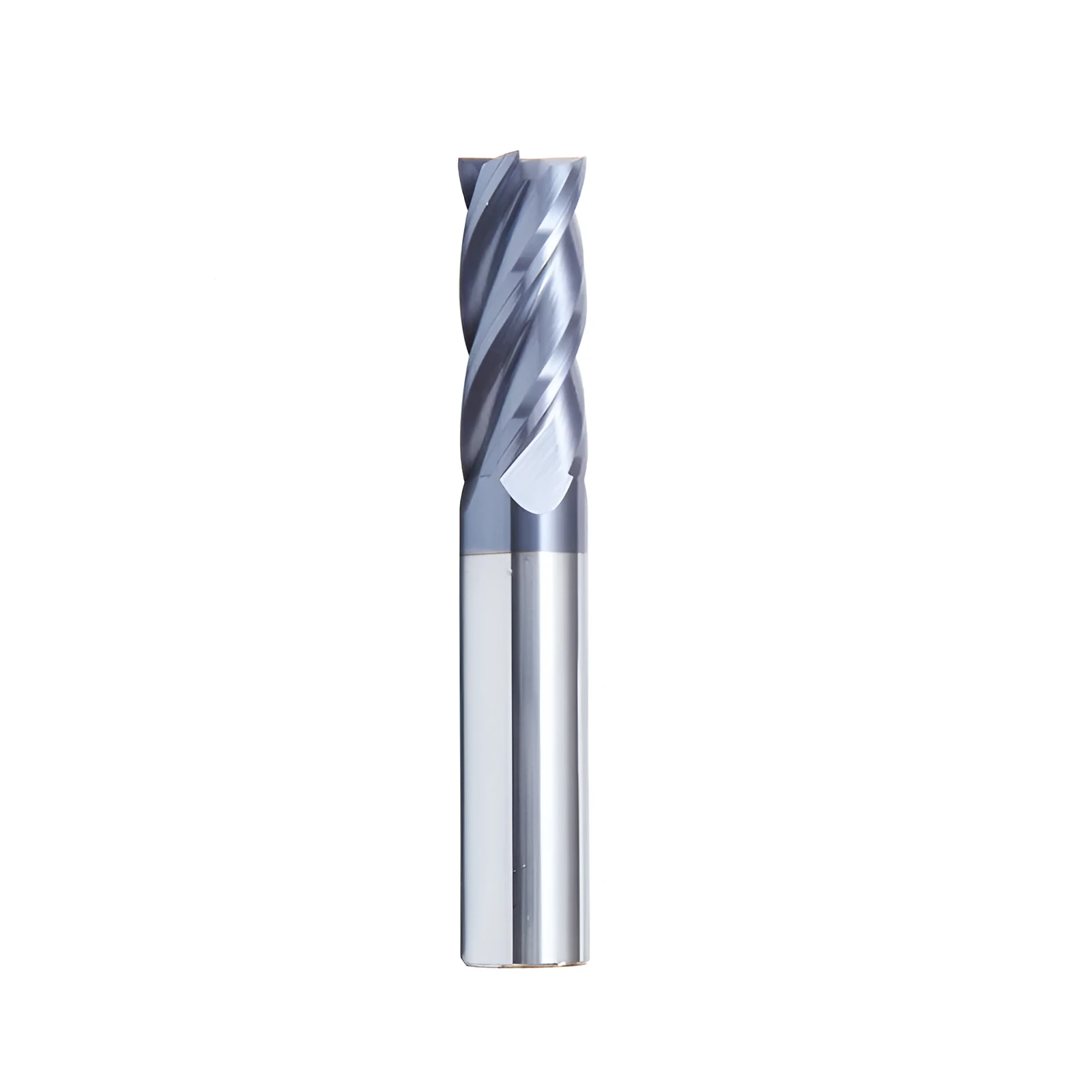
The cutter is constructed from hard alloy. This material is commonly used in metal cutting tools due to its hardness and resistance to wear under cutting forces. The tool has a four-slot design on its cutting head, providing multiple cutting edges. The cutting edge itself is formed into a spiral pattern, which is intended to guide chips away from the cutting zone during operation, which can contribute to a smoother cutting process.
Size and Practical Fit
The tool is offered in a wide array of sizes to match various machining requirements. The primary sizing metric is the blade diameter, which ranges from D1 mm to D20 mm. The usable cutting length, or blade length, is available from 3 mm to 70 mm. The shank, which is the part held by the machine, is straight and its diameter corresponds to the blade size, ranging from D3 mm to D20 mm. The total length of the entire tool, from the tip of the cutter to the end of the shank, is between 50 mm and 150 mm. Specific model combinations, such as D10x25xD10x75, define the blade diameter, cutting length, and full length.
Uses and Placement

This tool is intended for milling, a machining process that removes material. Its design suits it for use with metals and possibly other hard materials.
Event or Professional Use
In professional settings like machine shops, fabrication workshops, or manufacturing facilities, this milling cutter would be used in milling machines or machining centres. The range of sizes allows machinists to select a tool for tasks from fine detail work with smaller diameters to more substantial material removal with larger diameters. The hard alloy material is chosen to maintain a cutting edge through prolonged use on metals.
Everyday Home Use
For advanced hobbyists or home workshop users with capable milling equipment, this cutter provides a professional-grade tool option. The availability of different sizes means a user can stock a single tool type suitable for multiple projects, from model engineering to custom part fabrication, provided they have the correct machine to hold the straight shank securely.
Benefits and Buying Value
The value of this milling cutter lies in its material specification and the practical coverage of its size range.
Reuse and Low Maintenance
The hard alloy construction is a factor in the tool's potential for reuse over time, as it is designed to resist wear from cutting. Unlike some high-speed steel tools, it may retain its edge longer under typical milling conditions. Proper storage and handling after use are the primary maintenance needs, as with most cutting tools.
Why Choose This Product
Choosing this product is based on the need for a carbide milling cutter with a spiral edge and straight shank. The key decision points are the required blade diameter and cutting length for a specific job. The comprehensive size matrix allows users to find a tool that fits their machine's capacity and the detail of their work piece. It is a functional tool defined by its material and dimensions rather than unspecified premium claims.